
Tongue Tie & Lip Tie Treatment Near Bethlehem, PA
If you're looking for tongue tie or lip tie treatment near Bethlehem, PA, Lesavoy Pediatric Dentistry provides evaluation and laser frenectomy treatment for infants, children, and teens. Dr. Bret Lesavoy is a board-certified pediatric dentist with advanced training in soft tissue laser therapy.
A frenectomy is not automatically necessary just because a child has a visible frenum. Dr. Lesavoy evaluates each child individually and considers whether the tissue is actually restricting function before recommending treatment. When a release is appropriate, he uses soft tissue laser technology to treat restrictive tongue or lip tissue.
If you're looking for a pediatric dentist in the Bethlehem area, you can also learn more about the practice's Bethlehem pediatric dentistry services.
Lesavoy
Pediatric Dentistry
Lesavoy
Pediatric Dentistry
Lesavoy
Pediatric Dentistry
Lesavoy
Pediatric Dentistry
Pediatric Dentistry
Lesavoy
Pediatric Dentistry
Lesavoy
Pediatric Dentistry
Lesavoy
Pediatric Dentistry
Lesavoy
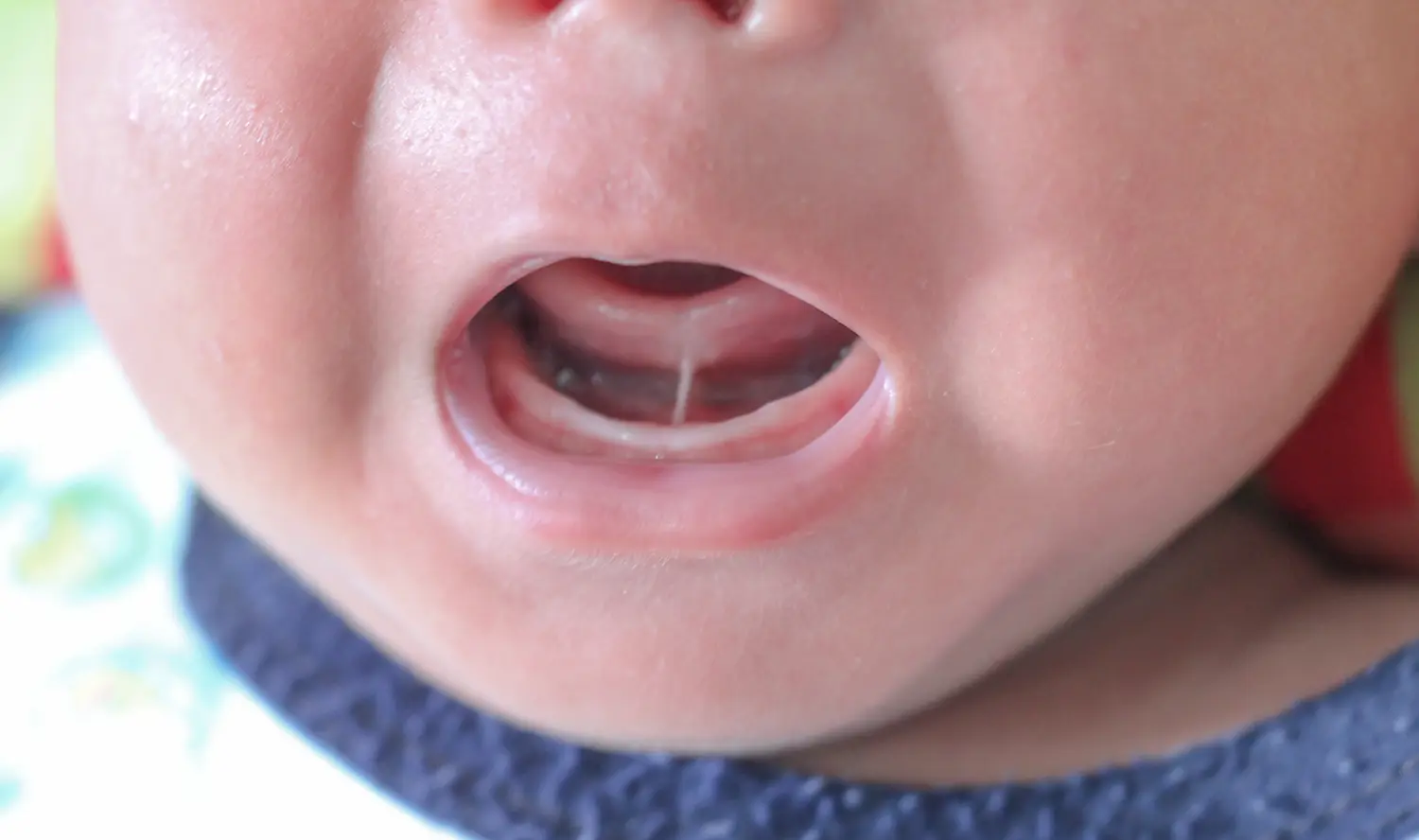
A frenum is a thin band of tissue inside the mouth. When the lingual frenum under the tongue restricts movement, it is commonly called a tongue tie. A restrictive frenum behind the lip may be called a lip tie.
Some restrictive frenum attachments can affect oral movement and function. In infants, parents may have questions about latching, sucking, or feeding. For older children, concerns may involve eating, speaking, or other aspects of oral function.
Having a frenum is normal. The more important question is whether the particular attachment is restrictive enough to affect function and whether treatment is appropriate.
Parents may begin wondering about tongue tie when their baby has difficulty with feeding or latching. Those concerns, however, do not automatically mean a frenectomy is needed.
A restrictive lingual frenum can limit tongue movement. If you have noticed concerns with your baby's tongue movement or feeding, an evaluation can help determine whether the frenum may be contributing to the problem.
Dr. Lesavoy takes a conservative approach to this decision. He examines the child and considers the individual circumstances before recommending a procedure.
No. A child can have a tongue or lip tie without needing treatment.
The presence or appearance of a frenum is only part of the evaluation. Dr. Lesavoy considers whether the tissue is functionally restrictive and whether releasing it is appropriate for that child.
That means parents do not have to assume that a frenectomy is the next step simply because someone has identified a tongue or lip tie. An evaluation can help clarify whether treatment makes sense.
Treatment begins with an evaluation of your child's mouth. If Dr. Lesavoy determines that a frenectomy is appropriate, he explains the procedure and aftercare before treatment begins.
The restrictive tissue is released using soft tissue laser technology. The practice's frenectomy information notes that laser treatment can provide increased comfort while reducing inflammation and bleeding, with minimal downtime and a faster recovery.
The details of treatment can vary depending on the tissue being treated and your child's individual circumstances.
You can read more about the evaluation, procedure, and recovery on the frenectomies service page.
The practice describes laser frenectomy treatment as typically quick and relatively painless, with most children experiencing minimal discomfort.
Every child is different, so the office can explain what to expect based on your child's age, the area being treated, and the planned procedure.
After treatment, the office reviews post-operative home-care instructions and recommendations with you. The practice also follows up with families to support proper healing.
Frenectomy care may involve more than the procedure itself. When appropriate, Dr. Lesavoy collaborates with pediatricians, lactation consultants, myofunctional therapists, speech pathologists, pediatric chiropractors, and other specialists.
This can be especially relevant when a child's feeding or oral function concerns involve more than one area of care.
If your child has not visited Lesavoy Pediatric Dentistry before, you can review what to expect during your child's first visit before scheduling.
The goal of an initial evaluation is to understand your child's individual situation and determine what, if any, treatment is appropriate.
Frequently Asked Questions
How do I know if my baby has a tongue tie?
A restrictive tongue tie can limit tongue movement and may be associated with feeding or latching concerns. These signs do not by themselves establish that a frenectomy is necessary. An evaluation can help determine whether the frenum is functionally restrictive.
What does a laser frenectomy feel like?
The practice describes laser frenectomy treatment as typically quick and relatively painless, with most children experiencing minimal discomfort. Your child's specific experience can vary depending on the procedure and individual circumstances.
What happens after a frenectomy?
The office provides post-operative instructions and recommendations and follows up with families to support healing. Dr. Lesavoy may also collaborate with other professionals involved in your child's care when appropriate.
Does every child with a tongue tie need treatment?
No. A frenum attachment does not automatically require a frenectomy. Dr. Lesavoy evaluates each child individually before recommending treatment.
Does Lesavoy Pediatric Dentistry treat lip ties too?
Yes. Frenectomy treatment may involve the lingual, or tongue, frenum or the labial, or lip, frenum when treatment is appropriate.
Frenectomy Treatment Near Bethlehem, PA
Lesavoy Pediatric Dentistry is located in Allentown and serves families throughout the Greater Lehigh Valley, including Bethlehem. If you're concerned that your infant or child may have a tongue tie or lip tie, an evaluation can help determine whether the tissue is actually affecting function and whether treatment makes sense.
